Redesign the work. Put AI where it adds value.
Change management, transformation and AI adoption, with psychological safety built in.
I help organisations and leaders map how the work really runs and redesign it. We decide where AI helps, where a person decides and what rules AI needs. That way new systems and tools get used, and the change holds.
- Change management and transformation
- AI adoption across teams
- Psychological safety and psychosocial risk
- One-to-one AI Chief of Staff for leaders
6 MINUTES OR LESS · NO SIGN-UP · INSTANT RESULTS
Where does your organisation stand on AI?
How Ready Is Your Organisation for AI?
A quick pulse check across six dimensions.
Start 6 minutesAI Change Readiness Diagnostic
Five stages, from mapping the work to making it stick. Your top gaps. Specific next steps.
Start 5 minutesAI Pilot Prioritiser
Score your use cases. Find your best first pilot.
StartHow I can help
These areas often overlap. We start wherever you need it most.
In McKinsey's 2026 survey, 37% of respondents could link any effect on profit to AI. Among the top performers, nearly three in four had redesigned their workflows. McKinsey, The State of AI in 2026
Change management and transformation
Restructures, new systems, mergers and new ways of working. I help you plan the change, prepare your leaders and redesign the work so it holds.
Learn moreAI adoption
Bringing AI into everyday work across a team. We map the workflows, find where AI adds value, decide where a person stays in the loop and set the rules, including for the EU AI Act.
Learn morePsychological safety and leadership
Leadership programs on trust, difficult conversations and leading through change, so people feel safe to try new things, ask questions and speak up.
Learn morePsychosocial risk and work design
Briefings and advisory for leaders and boards on psychosocial risk and ISO 45003, and on designing work that keeps people well.
Learn more
One-to-one for leaders
AI Chief of Staff
For business owners and leaders who want AI working in their own week. One-to-one, we set up routines for your priorities, meetings and decisions in ChatGPT, Claude or Microsoft Copilot.
See the AI Chief of StaffWhy I do this
AI that works for your people.
I look at the human side of AI implementation: how work is designed, how decisions are made and handed over, and how safe people feel to try something new, ask questions and speak up. In my corporate career I saw again and again how much depends on how a change lands with people.
My aim is to help businesses spend their time on what really makes them successful. Routine work goes to AI. Your people get the time and room to bring their skills, talents and judgement to their work. That is what drives productivity and new ideas.
Your customers
Time to listen properly, follow through and serve them well.
Your people
Time and room for your people to bring their skills, talents and ideas to their work.
Your decisions
Time to think clearly before the calls that shape your business.
Your community
Time to give back to the community your business is part of.
That is why I bring together AI workflow design, change management, work design, psychological safety and psychosocial risk. Microsoft's 2026 research points the same way: culture and manager support account for more than twice the reported impact of AI compared with individual factors. Work Trend Index 2026
How I work
The Human Side of AI Adoption
My framework for bringing AI into your workflows where it adds value. We look at how the work runs, redesign it, decide where a person stays in the loop and set the rules AI needs. Five stages, each with one simple question.
- 1
Map the work
Where does the time go?
We map your key workflows step by step: who does what, where work waits and where AI could add value.
- 2
Make it safe to speak up
Do we know how the work really runs?
People share workarounds, concerns and mistakes openly. That shows the real workflow and where AI could go wrong.
- 3
Redesign the workflow
What does AI do, and where does a person decide?
We simplify the workflow first. Then we decide which steps AI takes on and where a person checks, approves or decides. Roles and workload change with it.
- 4
Govern well
What rules does AI need?
An owner for each workflow, a human check on decisions that affect people, clear data rules and AI skills for everyone. In line with the EU AI Act.
- 5
Make it stick
Is it working?
We track time saved, quality and use in each workflow. Then we adjust and keep improving.
Assessments and guides
A good place to start if you want to see where your organisation stands.
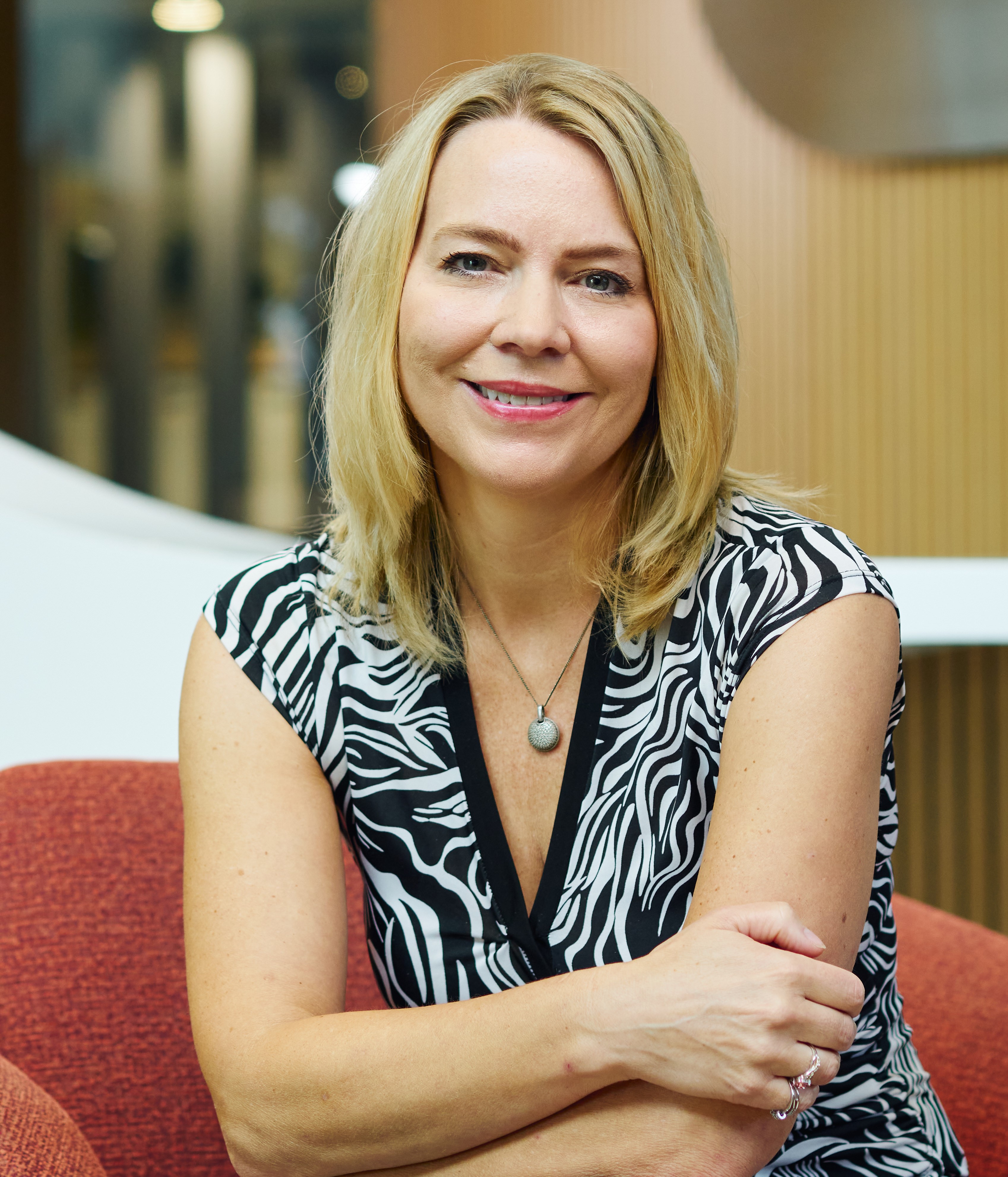
Monika Gietz
Founder, Stoa Advisory
I started Stoa Advisory to help organisations and leaders bring in AI and lead change in a way that works for their people.
Before this I spent my career inside Cummins, ABB, Siemens and Worley, leading change programs and building teams across Europe, Asia Pacific and the Americas. More recently that work moved into AI adoption.
In those years I saw how much depends on how a change lands with people. When people feel safe to ask questions and speak up, they are far more likely to try the new way and make it better. That is why I bring together change management, AI, psychological safety and psychosocial risk, and why I trained as a mediator.
Working in English, German and Spanish.
More about meRegulation
The EU AI Act and the rules coming next
New rules ask who owns each AI-supported decision, where a person checks it and how you explain it. I help you build that into your workflows, so it works day to day and you can show what you do.
EU AI Act
Applies now, more from 2 December 2027
AI literacy duties have applied since February 2025 and transparency rules since August 2026. Rules for high-risk AI, including AI used in hiring, performance and monitoring at work, apply from 2 December 2027.
Read my EU AI Act guidePrivacy Act: automated decisions
From 10 December 2026
Privacy policies must explain where a computer program makes, or helps make, decisions that significantly affect people. That includes AI tools and rule-based systems.
AI adoption and governancePsychosocial hazards at work
In force in every state and territory
Employers must identify and control psychosocial risks, including risks from how work is designed. Victoria's regulations started on 1 December 2025. Bringing AI into a workflow changes how the work is done.
Psychosocial risk briefingsGuidance for AI Adoption
Voluntary guidance, released late 2025
Australia has no standalone AI Act. The national guidance sets six practices for using AI responsibly, including clear accountability, risk management and human oversight.
Free AI readiness checkLast checked October 2026. This is general information, not legal advice.
What is changing in your organisation?
Send me an email. We set up a free 30-minute conversation and talk about where you are and whether I am the right person to help.
Email me